Revitalize Your Kitchen: The Advantages of Cabinet Refinishing
Cabinet refinishing offers a viable option for homeowners aiming to improve their kitchen spaces without the expenses tied to complete replacements. This technique not only restores the aesthetic of existing cabinets but also aligns with sustainable practices by reducing waste. With numerous finish and color options on the market, homeowners can attain a tailored aesthetic. However, the process requires careful planning and consideration. What are the key steps to ensure a successful transformation?
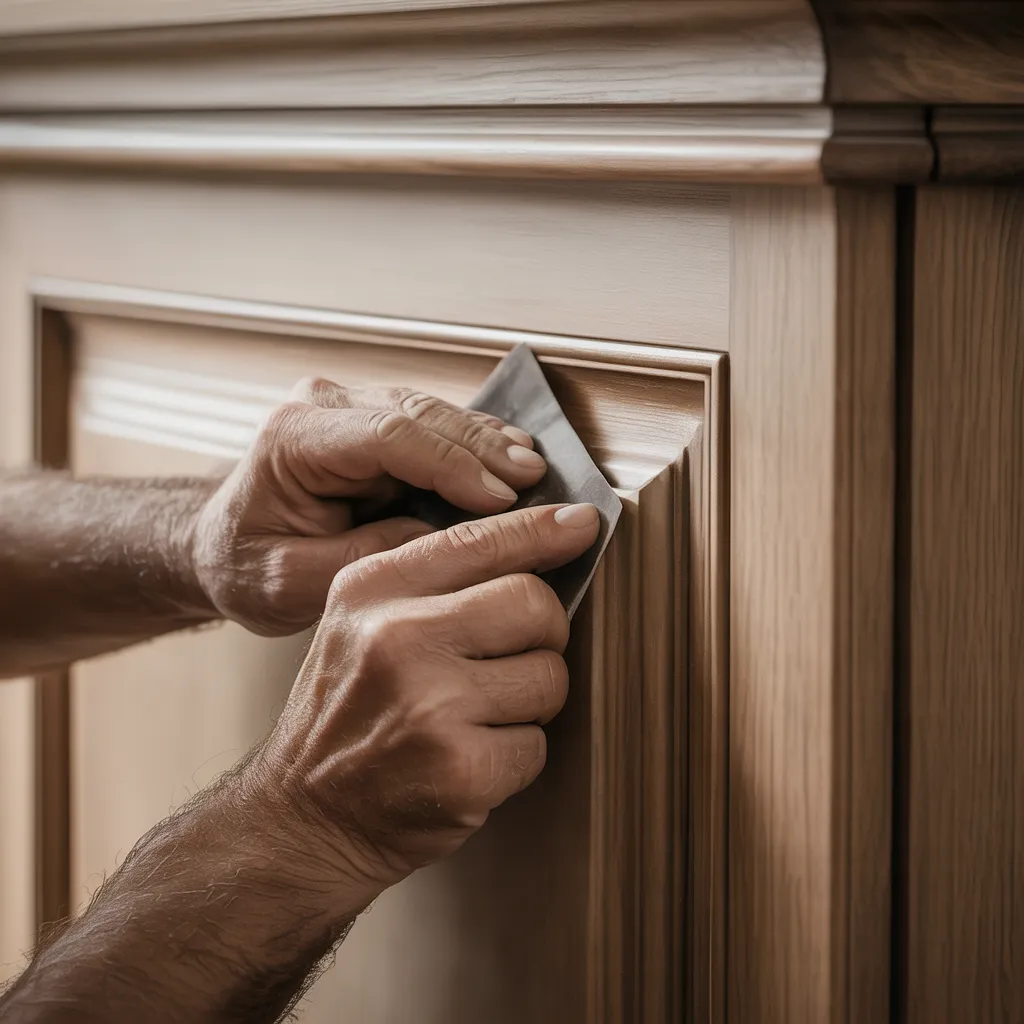
A Guide to Successfully Refinishing Your Cabinets
Refacing cabinets requires a series of careful steps that can transform a kitchen's appearance. It all starts with an extensive cleaning process, making sure all dirt and residue are eliminated. After cleaning, the hardware should be taken off, providing improved reach to all cabinet surfaces. Sanding follows, which ensures the new application sticks securely by producing a uniform surface.
After sanding, it is important to remove dust using a damp cloth. Subsequently, you should be applying a primer, which enhances the durability of the finish. Once the primer dries, the actual refinishing can begin, which usually requires several coats of paint or stain. Each coat requires adequate drying time to achieve a flawless look. As a final step, once the final coat is fully dry, reinstalling the hardware brings the project to completion. By carefully executing these steps, homeowners can transform their kitchen's look without the cost of a full remodel.
Choosing Finishes and Colors for Cabinet Refinishing
Choosing the perfect hues and finishes for refinishing cabinets can profoundly influence the visual appeal of a living area. Current color trends regularly evolve, affecting choices regarding shades that coordinate with existing decor. Additionally, knowing different types of finishes and how they suit specific styles and themes is essential for creating a unified appearance.
Leading Color Trends
What colors and finishes are currently capturing the attention of homeowners seeking to refresh their cabinets? Soft neutrals, such as warm grays and creamy whites, are popular choices, providing a timeless and versatile backdrop for various kitchen styles. In addition, deep blues and earthy greens are becoming increasingly sought after, making a striking impression while preserving sophistication. These deep tones establish a dramatic contrast with lighter countertops and hardware. Another emerging trend includes the use of matte finishes, which impart a modern and sophisticated look, steering away from high-gloss surfaces. Homeowners are further embracing two-tone cabinetry, merging varied colors for a vibrant and individualized style, allowing for creativity while enhancing visual interest in the kitchen space.
Finish Types Explained
As popular color trends such as soft neutrals and vibrant hues captivate homeowners, picking the ideal finish is becoming more essential in cabinet refinishing. Different finish types fulfill distinct aesthetic and functional roles. For instance, a matte finish offers a contemporary, understated look, while a high-gloss finish improves durability and intensifies color vibrancy. Satin finishes strike a balance, providing a soft sheen that complements various styles. Additionally, water-based finishes are favored for their low odor and quick drying time, while oil-based alternatives provide a rich, intense color but demand extended drying periods. Grasping these distinctions empowers homeowners to identify finishes that align with modern trends while addressing their unique needs and preferences, ensuring a successful cabinet transformation.
Matching Styles and Themes
As homeowners start the task of refinishing their cabinets, matching finishes and colors to existing styles and themes is crucial for achieving a cohesive look. Picking the ideal shades and textures can elevate the kitchen's overall appearance, whether opting for a modern, rustic, or traditional style. For updated kitchens, clean, shiny finishes in understated hues are often preferred, while warmer, matte options can complement farmhouse designs. Moreover, opposing color choices can generate visual intrigue when matched deliberately with countertops and backsplashes. Homeowners need to account for existing features, like flooring and appliances, to maintain balance. By deliberately aligning styles and themes, restored cabinets can turn the kitchen into a harmonious and appealing environment.
Why Refinishing Your Cabinets Beats Replacement
While the allure of brand-new cabinets can be tempting, cabinet refinishing presents a more practical and economical solution for those wanting to revitalize their kitchen areas. Cabinet refinishing lets homeowners keep their existing structures while achieving a fresh new aesthetic, saving both precious time and hard-earned money. This technique encompasses stripping, sanding, and refinishing with new paint or stain, resulting in a fresh look without the need for full replacement.
Furthermore, refinishing minimizes waste and is more environmentally friendly than discarding old cabinets. The original structure remains intact, ensuring durability while reducing the carbon footprint associated with manufacturing new cabinetry. Homeowners may also adjust finishes to suit their shifting preferences, creating a unique aesthetic without the need for extensive remodeling. In the end, cabinet refinishing emerges as an intelligent solution, delivering visual improvement and environmental responsibility, while bypassing the steep expenses and inconveniences of full cabinet replacement.
How Cost-Effective Is Cabinet Refinishing?
Cabinet restoration provides a cost-effective solution for homeowners looking for improvements seeking an improvement. By substantially decreasing material costs and minimizing labor expenses, this choice emerges as an compelling alternative to complete replacement. As a result, restoration provides a refreshed aesthetic while protecting your budget.
Decreased Material Expenditures
When homeowners seek to refresh their kitchens, opting for cabinet refinishing emerges as a financially savvy choice. Unlike full cabinet replacement, which involves purchasing new materials and hardware, refinishing focuses on enhancing existing structures. This method significantly lowers material costs, given that it largely needs paint, stain, and sealants as opposed to whole new cabinets. Additionally, refinishing eliminates the need for costly new cabinetry, which can escalate project budgets. Homeowners can accomplish a completely new aesthetic without the financial pressure of procuring and installing new materials. By opting for refinishing, they not only lower costs but also decrease waste, making it a sustainable alternative. Therefore, cabinet refinishing stands out as a practical solution for those looking to revitalize their kitchens economically.
Decreased Workforce Costs
Transforming kitchen aesthetics becomes more economical with decreased labor fees connected to cabinet refinishing. In contrast to complete cabinet replacement, which typically demands significant installation work, refinishing generally entails fewer labor-demanding procedures. Experienced technicians can effectively strip, sand, and refinish current cabinets without the necessity of structural changes. This optimized process not only cuts project schedules but also limits labor hours, resulting in significant cost savings for homeowners. Moreover, numerous refinishing projects can be wrapped up in only a matter of days, limiting interference in the living space. By focusing on cosmetic enhancements rather than complete replacements, homeowners can attain a revitalized appearance while maintaining affordable costs. Ultimately, decreased labor costs make cabinet refinishing a cost-effective solution for kitchen renovation.
How Refinishing Your Cabinets Can Elevate Your Home's Value
Cabinet refinishing not only rejuvenates a kitchen's look but also considerably increases a home's appeal to buyers. Prospective buyers frequently favor modernized kitchens, seeing them as an indicator of thorough home upkeep and attention. A renewed, stylish aesthetic can greatly influence initial impressions, motivating prospective pertinent details buyers to imagine themselves enjoying the space.
Additionally, refinished cabinets can create a harmonious design, complementing current style trends and elevating the estimated value of the residence. By going with refinishing rather than full replacement, property owners can attain a upscale look at a significantly reduced cost, making it a budget-friendly option that proves beneficial during resale.
At the end of the day, a expertly refinished kitchen can make a home stand out among others for sale, often resulting in quicker sales and higher offers. This investment not only enhances the immediate living experience but also serves as a strategic move for long-term financial gain.
The Eco-Friendly Advantages of Cabinet Refinishing
Cabinet refinishing offers considerable environmental advantages, as it minimizes the demand for new materials and reduces waste. By choosing to refinish rather than replace cabinets, homeowners can considerably lower the demand for wood and related resources, which helps preserve forests and ecosystems. This practice also minimizes landfill waste, as old cabinets frequently generate substantial waste.
In addition, the refinishing process usually demands fewer chemicals and materials than complete replacements, leading to a smaller environmental impact. Incorporating sustainable paints and finishes can additionally improve these advantages, minimizing harmful emissions during both production and application.
Moreover, the power consumption associated with creating new cabinets is eliminated, promoting a greener method of home improvement. Overall, cabinet refinishing not only revitalizes living spaces but also supports eco-friendly conservation initiatives, making it a prudent option for eco-conscious homeowners.
Frequent Errors to Steer Clear of When Refinishing Cabinets
Many homeowners overlook essential details when restoring cabinet surfaces, causing subpar finishes. One common mistake is failing to completely clean the cabinet surfaces beforehand. Grease, dust, and debris can interfere with adequate paint or stain adhesion. Moreover, skipping adequate sanding of the cabinets can produce a poor-quality finish. Many homeowners fail to recognize the significance of using the right type of primer; an incorrect selection can negatively impact the appearance and longevity.
Another common mistake is neglecting to use high-quality tools, which can cause uneven application. Managing your time is also essential; moving too quickly through the steps can yield sloppy results. Furthermore, insufficient airflow during the refinishing process can pose health risks and compromise the final finish. By steering clear of these frequent mistakes, homeowners and DIY enthusiasts can achieve a professional-looking result that enhances the beauty and longevity of their cabinets.
Frequently Asked Questions
How Long Does Cabinet Refinishing Typically Take?
Cabinet refinishing generally requires about three to five days. This duration encompasses sanding, preparation, finish application, and drying time. The overall project timeline may be influenced by factors like cabinet size and complexity.
Should I Refinish Cabinets Myself or Hire a Professional?
People can choose to tackle cabinet refinishing on their own, which saves money but demands time and expertise. Alternatively, hiring a professional guarantees quality results and efficiency, making it an ideal choice for those without the necessary experience or resources.
What Materials Are Best for Cabinet Refinishing Projects?
When refinishing cabinets, premium sandpaper, wood primer, and long-lasting paint or stain are necessary. Furthermore, employing a reliable brush or sprayer delivers a uniform finish, while sealants provide protection against wear and moisture.
Will Cabinet Refinishing Affect My Kitchen's Warranty?
Refinishing cabinets has the potential to affect a kitchen cabinet warranty, according to the manufacturer's policies. Homeowners should consult the warranty paperwork or get in touch with the manufacturer directly to understand any potential consequences before starting refinishing projects.
How Do I Properly Care for Refinished Cabinets for the Long Haul?
To keep refaced cabinets for the long haul, routine cleaning using gentle soap, avoiding harsh chemicals, and using soft cloths is crucial. Moreover, controlling humidity and temperature can protect against damage, ensuring lasting beauty and functionality.